Great Prophet of Islam (PBUH)

Obeying the Messenger of Allah (PBUH&HP)

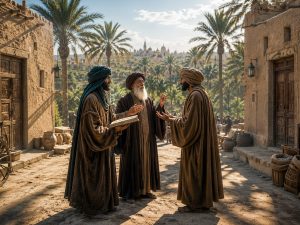
The Holy Quran emphasizes obeying Prophet Muhammad (PBUH&HP) both in conveying divine laws and leading society. Obedience to him reflects obedience to Allah, as he is divinely guided and free from error. His authority extends to religious, political, and judicial matters, making his commands binding for all Muslims in every aspect of life.


Read more..

Overcoming shyness

The Prophet Muhammad (PBUH) distinguishes between rational and foolish modesty. While rational modesty reflects propriety, foolish modesty hinders social development, especially in children. To prevent this, parents should encourage group play and social interaction. These activities foster confidence, reduce shyness, and prepare children for public engagement and healthy social participation.

Read more..

Comparing oneself to others

Social comparison significantly impacts mental health, contributing to depression and anxiety. Islam teaches downward comparison in material matters to foster contentment and peace, and upward comparison in spiritual matters to inspire growth. This balanced approach prevents envy and despair while promoting gratitude and self-improvement, enhancing psychological well-being and inner tranquility.

Read more..

The mission of the Prophet (PBUH)

The sending of the Prophet (peace be upon him and his family and peace be upon him) or his raising to the position of prophet is the most important period in the history of Islam and the revelation of the

Read more..

Concealment

Backbiting and exposing others’ faults harm both individuals and society. Islam emphasizes protecting others’ privacy and dignity. The Prophet Muhammad (PBUH) warned that those who pry into others’ lives will have their own flaws revealed. True faith requires safeguarding others’ honor, fostering trust, unity, and moral integrity in the Muslim community.

Read more..

Thinking at work

The Prophet Muhammad (PBUH) emphasized reflecting before acting. He advised evaluating whether actions lead to guidance or misguidance. In a world driven by impulse, this foresight is crucial. Thoughtful decisions, rooted in knowledge and wisdom, help achieve lasting happiness and divine pleasure—principles central to Islamic teachings and human excellence.

Read more..

The Last Strategy

Before his passing, Prophet Muhammad (PBUH&HP) appointed young Usama ibn Zayd to lead an army, aiming to demonstrate leadership based on merit, not age or status. Many companions disobeyed, revealing their hidden ambitions. The Prophet’s strategy sought to prevent chaos and secure Imam Ali’s rightful succession, but was ultimately defied.

Read more..

Great-Heartedness

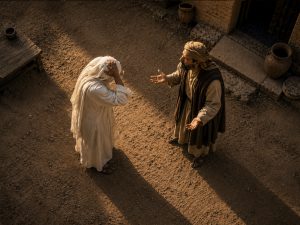
Great-heartedness—patience, tolerance, and moral strength—is a divine quality emphasized in the Qur’an and practiced by prophets, especially Prophet Muhammad (PBUH&HP). His immense compassion transformed even enemies into followers. This virtue empowers individuals to handle adversity wisely and guides others through kindness, as shown in his noble example with the young Jewish man.

Read more..

Fair Judgment

Abu al-Hasan al-Raffa’ logically challenged the inconsistency in denying Prophet Muhammad’s (PBUH&HP) appointment of a successor after death, despite his prudence in appointing one for short absences. Historical evidence confirms that the Prophet clearly introduced Imam Ali (PBUH) as his rightful successor, yet political motives led many to ignore this truth.

Read more..

Historic Words During the Last Hajj

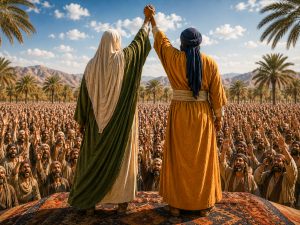
During his final pilgrimage, Prophet Muhammad (PBUH&HP) delivered a historic sermon emphasizing justice, brotherhood, women’s rights, rejection of ignorance, and the importance of the Qur’an and his Progeny (PBUT). He appointed Imam Ali (PBUH) as his successor at Ghadir Khum, completing the religion and guiding Muslims before his passing.

Read more..

Connecting with Relatives

Islam highly values maintaining kinship ties (Silat al-Rahm). The Qur’an and hadiths emphasize kindness, visiting relatives, helping the sick, and attending funerals. Even small gestures like greetings count. However, if family ties harm faith, they may be avoided. True connection lies in kindness, not harm, as God accepts only from the righteous.

Read more..

Worried for the Nation, in the Bed of Decease

In his final days, Prophet Muhammad (PBUH&HP), the compassionate father of the Ummah, gathered his people for farewell advice. He emphasized adherence to the Qur’an and his Ahlul Bayt (Thaqalayn), and that salvation depends on righteous actions. Entrusting Fatimah (PBUH) to Imam Ali (PBUH), he departed, leaving guidance and legacy behind.

Read more..

Unraveling a mystery

In his final days, Prophet Muhammad (PBUH) requested writing materials to leave guidance for the Ummah, but some companions opposed him. His wish to document the Hadith of Thaqalayn—emphasizing adherence to the Qur’an and Ahlul Bayt—was clear. Despite opposition, he reiterated their role in preserving Islam and preventing misguidance.

Read more..

The Last Moments

During the final moments of Prophet Muhammad’s (PBUH&HP) life, he consoled Fatimah (PBUH), whispered private words, and appointed Ali (PBUH) to oversee his burial. Surrounded by his family, the Prophet departed while resting on Ali’s lap. His passing marked the saddest moment in history, leaving the Muslim world in deep mourning.

Read more..

Eyes Anxious about the Nation

Amir al-Mu’minin (PBUH) mourned the Prophet (PBUH&HP) deeply during his burial, reflecting on the loss and future challenges. The Prophet feared the harm of hypocrites more than open enemies. The Quran extensively warned against hypocrisy. Yet after his death, history went silent about them—raising questions about hidden deals and deeper conspiracies.

Read more..

The Final Sessions

Before his passing, Prophet Muhammad (PBUH&HP) entrusted his divine knowledge and interpretations of the Quran to Imam Ali (PBUH). In his final moments, he privately conveyed crucial teachings to him, ensuring the continuation of religious guidance. Imam Ali documented these teachings, initiating the transmission of Islamic knowledge through the Infallible Imams.

Read more..

It is Said as Such

The Prophet of Islam (PBUH) has been praised not only by Muslims but also by many non-Muslim scholars. Thinkers like Michael Hart, Bosworth Smith, Irving, and Watt have described him as a complete leader, morally upright, successful in both religious and worldly matters, and an unparalleled role model for humanity.

Read more..

In Search of True Beauty

Prophet Muhammad (PBUH) once wept out of compassion for sinners. He warned Ibn Mas’ud about the blinding effects of sin, comparing it to intoxication. True beauty, he said, lies not in worldly possessions but in eternal virtues like knowledge and piety, which endure beyond death unlike fleeting material adornments.

Read more..

The Prophet’s (PBUH) advice to Amirul Momineen (AS)

The Prophet Muhammad (PBUH&HP) advised Imam Ali (PBUH) on virtues like patience, forgiveness, gratitude, good character, and compassion. He emphasized the value of youth, health, and righteous deeds. True faith lies in obedience to God, avoiding sin, and contentment. These teachings remain a timeless guide for personal and spiritual growth.

Read more..

The Passing of the Holy Prophet

Imam Ali (PBUH) reflects on the character of Prophet Muhammad (PBUH&HP), describing his detachment from the world, humility, and divine mission. On the Prophet’s passing, Ali mourns deeply, praising his guidance and purity. He urges Muslims to follow the Prophet’s example in patience, modesty, and dedication to God.

Read more..