
Lady Fatimah al-Zahra (PBUH)

The Quranic Veil on the Figure of Fatimah (peace be upon her)

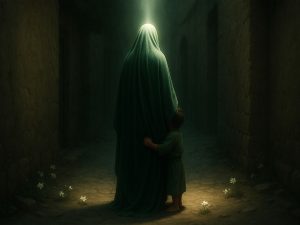
The Qur’an outlines hijab as a vital command for believing women, emphasizing full-body coverage (jilbab) and proper head and chest covering (khimar). Lady Fatimah (PBUH) exemplified perfect hijab, embodying modesty and dignity. Hijab reflects spiritual commitment, guiding women to purity, protection, and recognition as chaste individuals in society.

Read more..

Great ambiguity in history

Unlike the public funerals of early Islamic figures, Lady Fatimah’s (PBUH) funeral was held secretly at night per her will. Her burial site remains unknown. This deviation from tradition reflects her protest against the political circumstances after the Prophet’s death and highlights unresolved historical tensions within early Islamic society.

Read more..

I was guided by the light of Fatimah…

A visit to his Shia cousin transformed Abdul Munim Hassan’s life when he heard the profound sermon of Lady Fatimah (PBUH). Moved to tears by its eloquence and message, he began a personal journey of inquiry, starting with *Sahih al-Bukhari*, ultimately leading him to embrace the Shia path.

Read more..

The denial of the one who was the truthful (Siddiqah)

The Fadak issue symbolizes a profound injustice toward Lady Fatimah (PBUH). Despite her unmatched credibility, her rightful claim was denied, highlighting political bias and disregard for her status. This incident reflects broader post-Prophetic injustices, serving as a lasting reminder of the need for truth, justice, and historical reflection.

Read more..

Bothering the Dear of the Messenger

Lady Fatimah (peace be upon her), revered by the Prophet (peace be upon him and his family) as “a part of me,” stood firmly in defense of divine truth and justice after his passing. When oppression and political deviation threatened Islam’s core, she courageously voiced her anger and exposed injustice—fulfilling the Prophet’s prophetic warning.

Read more..

Final Hours of the Most Excelled Lady

The heartbreaking final moments of Lady Fatimah al-Zahra (peace be upon her) are a profound testament to her suffering, dignity, and unwavering faith. Despite immense loss and injustice, she turned fully to her Lord. Her farewell was silent but resounding—a cry against oppression and a whisper of reunion with her father, the Prophet (peace be upon him).

Read more..

The Start of Darkness

Lady Fatimah (peace be upon her), in her final days, expressed deep sorrow and disappointment over the political injustice after the Prophet’s death. In a moving sermon, she questioned the usurpation of Ali’s (peace be upon him) rightful leadership and warned of future tyranny and trials. Her words remain a timeless call for truth, justice, and resistance against oppression.

Read more..

Oppression Against the Best Lady

The oppression of Lady Fatimah al-Zahra (PBUH) reflects the deep injustice she endured after the Prophet’s demise. Despite her purity, piety, and nearness to the Prophet, she faced aggression, loss, and silence. Her suffering remains a lasting reminder and call for truth, justice, and reflection for all believers.

Read more..

Tell me about Fatimah (PBUH)…

Lady Fatimah (PBUH) was buried secretly at night, in accordance with her will, as Imam Ali (PBUH) fulfilled her final wishes. Her hidden grave became a silent protest against the injustice and oppression she endured after the Prophet’s death. This concealment remains a timeless symbol of resistance and sorrow.

Read more..

A Demand for Guiding the Nation

Lady Fatimah al-Zahra’s (PBUH) protest over Fadak was not a personal dispute—it was a stand against political deviation. Her sermon challenged the legitimacy of the post-Prophetic leadership, using strong Qur’anic evidence to expose injustice. By demanding Fadak, she revealed the corruption undermining divine succession and the misplacement of true Islamic authority.

Read more..

The Last Arrow

Lady Fatimah al-Zahra (PBUH) spent her final days in steadfast opposition to the ruling government, using her last will to mark a lasting protest. She asked Imam Ali (PBUH) to bury her secretly and deny the oppressors a role in her funeral—an eternal message of resistance and injustice.

Read more..

Only for Him…

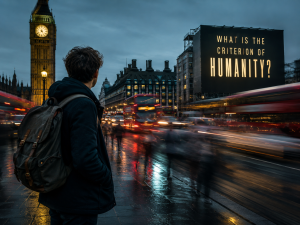
This reflection on humanity and Lady Fatimah’s (PBUH) elevated status offers profound insight into what it truly means to live with divine-centered values. It reminds us that real humanity is not in fulfilling instincts but in aligning our will with divine wisdom—something she exemplified in both life and death.

Read more..

 F. Fadak; an Outcry Beyond a Bequest

The Fadak dispute was never merely about land—it was Fatimah al-Zahra’s (PBUH) courageous stand against the distortion of divine leadership. Her demand was a strategic move to awaken the conscience of the Ummah, exposing the deviation from prophetic teachings. Fadak became the symbol of justice, truth, and rightful leadership in Islam.

Read more..

Fatimah (PBUH) and the Future of History

Fatimah al-Zahra (PBUH), with unparalleled clarity, transformed her silence into a loud protest echoing through generations. Her hidden grave, her night burial, her final will—each is a living message of resistance against injustice and betrayal of divine guidance. Her protest wasn’t personal—it was a defense of Prophethood’s truth and rightful leadership.

Read more..

Beyond Cruelty

The unparalleled sanctity of Fatimah al-Zahra (PBUH) is a cornerstone of Islam’s spiritual heritage. Her oppression is not just personal—it echoes as an affront to the Quran, to the Prophet, to the dignity of believers, and to the honored station of women in Islam. Her hidden grave remains a silent, powerful protest etched in history.

Read more..

 A Question for the Future!

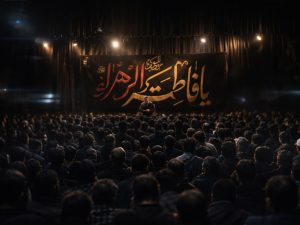
Commemorating Lady Fatimah al-Zahra’s (PBUH) martyrdom is not a mere recollection of sorrowful history—it is a profound reminder of the deviation from the Prophet’s guidance and the disregard for his most beloved. Her hidden grave, silenced pain, and final will all speak volumes, urging generations to reflect, seek truth, and uphold justice.

Read more..

O Ali, Forgive me!

The sorrow-filled final days of Lady Fatimah al-Zahra (peace be upon her) were not only a testimony of her personal grief but a lasting protest against injustice. Her sermon, her will, and even her silent burial speak volumes—defending truth, exposing deviation, and forever echoing a cry for justice through the corridors of history.

Read more..

A Heavenly Lady

Lady Fatimah al-Zahra (PBUH), daughter of Prophet Muhammad (PBUH), faced great oppression after his death. Her hidden grave and final will symbolize protest against injustice. Her sermons, sorrow, and steadfastness highlight her defense of truth, Islam’s purity, and rightful leadership. Her legacy remains a beacon for all truth-seekers.

Read more..

The Modest Model

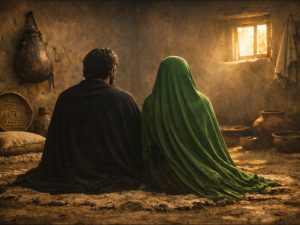
Lady Fatimah (PBUH) exemplified a life of simplicity and spiritual richness. Despite minimal household possessions, her home with Imam Ali (PBUH) was a beacon of contentment and divine purpose. Their modest lifestyle emphasized inner growth over materialism, making Fatimah a timeless model of virtue, humility, and spiritual excellence.

Read more..

The Prosperous Effect of a Selfless Act

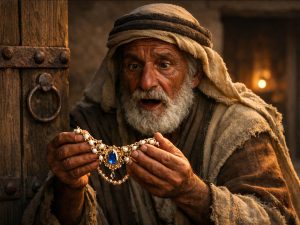
This story beautifully illustrates the selfless generosity and deep faith of Lady Fatimah (PBUH). Despite her poverty, she gave her only valuable possession—a necklace—to a hungry stranger. Her sincerity inspired a chain of kindness, reflecting how a single act of compassion can multiply blessings and return to the giver with divine grace.

Read more..