
Imam Sajjad (PBUH)

Tranquility in the Depths of the Heart

The results of a study conducted at the University of Toronto on the human brain reveal that belief in God is a significant factor in controlling anxiety and stress[1]. Human life in this world is always accompanied by anxieties and


Read more..

Attention to One’s Self

After Ashura, Imam Sajjad (PBUH) focused on educating his followers in morality and virtue, emphasizing behavior, speech, and thoughts. He advised avoiding corrupt company, speaking only what is beneficial, and guarding the heart, eye, and ear. His guidance countered societal deception, fostering piety and wisdom among his community and travelers from distant lands.

Read more..

Protecting the Borders

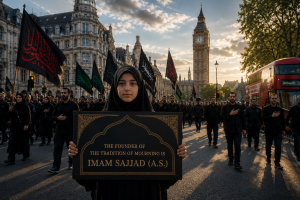
Mourning for Imam Hussein (PBUH) preserves Ashura’s spirit and inspires resistance to tyranny. Imam Sajjad (PBUH) and Lady Zeinab (PBUH) first held gatherings in Damascus, spreading Karbala’s tragedy. Their perseverance ensured mourning continued in Medina and beyond, becoming a global practice that strengthens faith, honors the martyrs, and protects Imam Hussein’s legacy.

Read more..

Founder of Mourning for the Master of Martyrs

Mourning for Imam Hussein (PBUH) preserves Ashura’s spirit and inspires resistance to tyranny. Imam Sajjad (PBUH) and Lady Zeinab (PBUH) first held gatherings in Damascus, spreading Karbala’s tragedy. Their perseverance ensured mourning continued in Medina and beyond, becoming a global practice that strengthens faith, honors the martyrs, and protects Imam Hussein’s legacy.

Read more..

The Divine Trusts

In the Islamic perspective, each individual’s body parts and faculties are a trust and deposit from God, granted to humanity to be used properly in the pursuit of spiritual and personal growth. Therefore, not only is a person indebted to

Read more..

In the Hearts of the People

After the martyrdom of his noble father, Imam Husayn (peace be upon him), and during the period of oppression under the Umayyad dynasty, the Fourth Imam, Ali ibn al-Husayn (peace be upon him), attained the position of Imamate. His period

Read more..

The Hope of the Desperate

Imam Sajjad (PBUH) teaches that true hope and help lie in God alone. Human aid is limited, but God responds to those who seek Him, protects the hopeful, and fulfills their needs. Through reliance on His mercy, believers find guidance, serenity, and strength, even in despair, knowing His generosity and protection are constant.

Read more..

Travel Provision

Ibrahim Adham narrates meeting a child in the desert, who declared his journey was “to the house of the Creator.” The child, revealed as Imam Ali ibn Hussain (PBUH), relied on piety as his provision and faith in God for guidance. His companion was Khidr (PBUH), symbolizing divine support and spiritual certainty.

Read more..

Pages from the Book of Shaam

After Karbala, Imam Sajjad (PBUH), as a captive in Shaam, confronted ignorance and false beliefs about the Ahl al-Bayt. Through wise, subtle guidance, he corrected misconceptions, defended his family’s honor, and upheld the legacy of Karbala, emphasizing true monotheism and the spiritual principles of Islam over worldly power.

Read more..

The Essence of Deeds

Every deed’s value is determined by its intention, the essence of the act. Sincere actions for Allah (SWT) are rewarded, while deeds driven by worldly desires bear no value and may harm the soul. True worship requires pure intention, and one should always seek Allah’s guidance to maintain sincerity in all actions.

Read more..

The Exemplar of the Lovers

Imam Sajjad (PBUH) exemplified obedience to Allah through charity, worship, and compiling supplications. Yet, his profound grief over Imam Hussain’s (PBUH) martyrdom was a lifelong act of devotion. He combined mourning with fasting and prayers, teaching that true love for Karbala’s tragedy includes both lamentation and continual obedience to Allah.

Read more..

Hidden Charity

Imam Ali Ibn Hussain (PBUT) helped the poor secretly, giving charity for Allah’s sake without seeking recognition. He supported families anonymously, fed many during fasting, and treated all equally. After his martyrdom, people realized his generosity. His actions exemplify true selfless charity, earning divine blessing and lasting admiration.

Read more..

Death or Life

Death can be seen as release, annihilation, or transition. Saints value life for growth and perfection, praying for longevity unless life leads away from virtue or martyrdom calls. Imam Ali Ibn al-Hussain (PBUH) prayed for life devoted to obedience, or death if life becomes a tool of evil.

Read more..

The History of Sahifah Sajjadiah

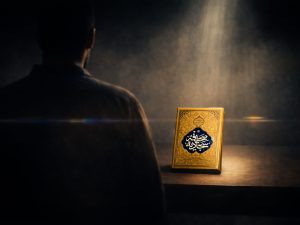
Sahifah Sajjadiah, Imam Sajjad’s (PBUH) collection of supplications, was carefully preserved by Yahya ibn Zaid and verified by Imam Sadiq (PBUH). Its protection from the Umayyads ensured its authenticity, showing it is not only prayers but a sacred legacy of spiritual guidance and ethical instruction from the Ahl al-Bayt.

Read more..

The Son of Mina

Imam Sajjad (PBUH), after Karbala, boldly defended the Ahl al-Bayt in Yazid’s court in Damascus. Despite Yazid’s attempts to humiliate him, the Imam reminded the people of their spiritual authority as heirs of Mecca, Mina, Zamzam, Safa, and the Ka’ba. His words transformed Yazid’s celebration into mourning, affirming the victory of truth over tyranny.

Read more..

Father’s Last Will

Imam Sajjad (PBUH) courageously opposed Umayyad tyranny, particularly Hisham ibn Abd al-Malik, earning his enmity. Despite 35 years of struggle defending Islam, Hisham poisoned him, and he became a martyr at 57. Imam Sajjad advised patience and steadfastness, continuing his father’s legacy, and prayed for strength to overcome oppressors and injustice.

Read more..

In the Hearts of the People…

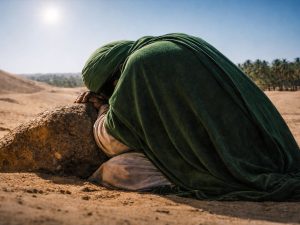
The Fourth Imam, titled Sayyid al-‘Abideen (the Master of Worshippers), Sayyid al-Muttaqeen (the Master of the Pious), Ameen (the Trustworthy), Sajjad (the One Who Prostrates Often), and more, was granted numerous titles in recognition of his virtues. Among these, Sajjad

Read more..

Fighting Poverty

Imam Sajjad (PBUH) deeply valued alleviating financial hardship, seeing it as a grave calamity. He gave hidden charity, supported hundreds of families, and opposed the unjust Umayyad rulers who exploited the poor. His efforts aimed not only at worldly relief but also at spiritual reward and justice for the oppressed.

Read more..