Succession in religions
Judaism, Christianity and Islam have common roots; Everyone has a divine book that plays a central role in their religion from a historical and ideological




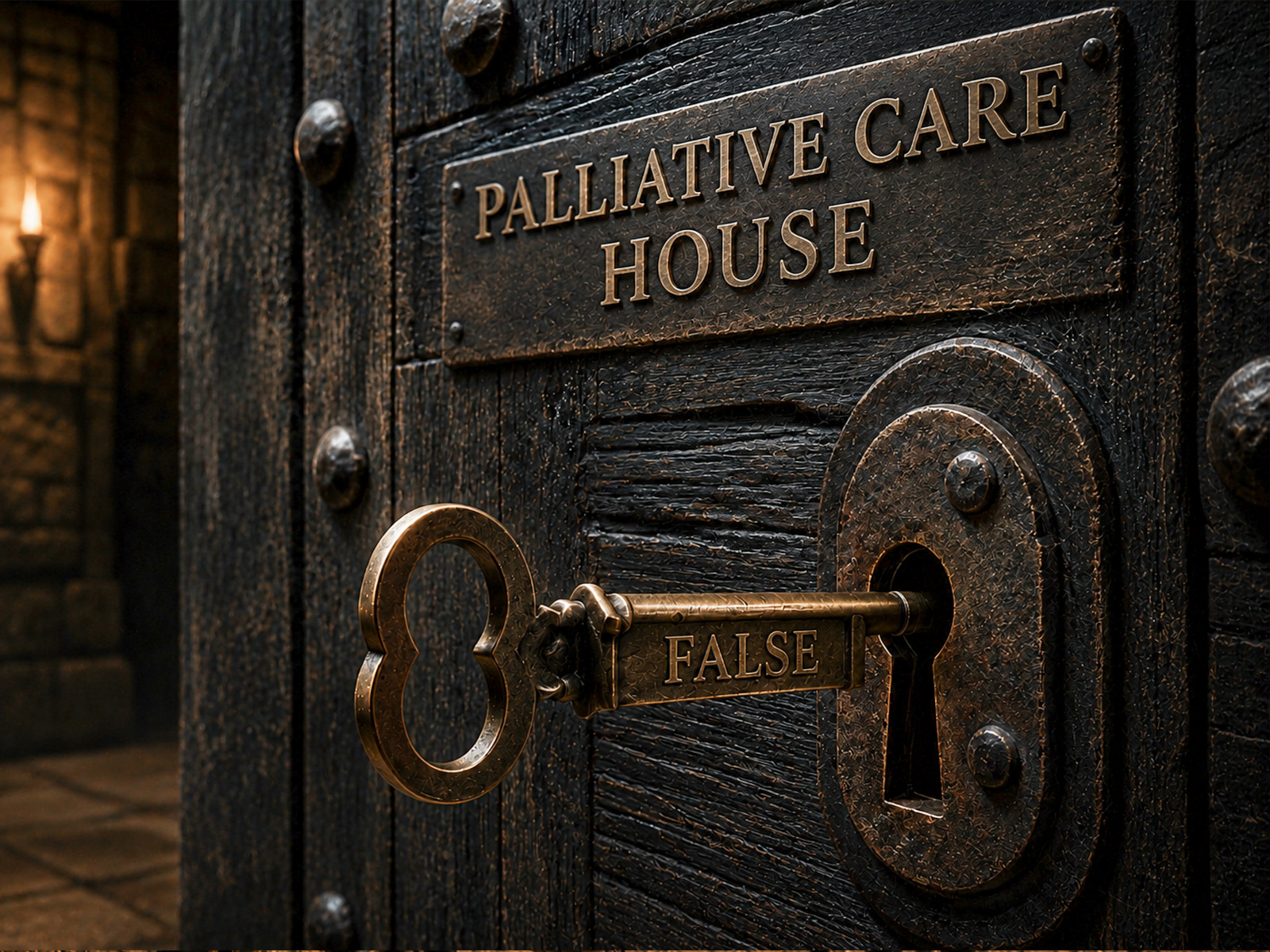
Imam Hasan al-Askari teaches that lying is the key to all evils, while truthfulness is the foundation of trust, peace, and social stability. Honesty in speech, action, and promises builds strong relationships and earns divine approval, whereas dishonesty leads to disgrace, conflict, and moral collapse.

Imam Hasan al-Askari teaches that God always welcomes supplication and no seeker leaves His door empty-handed. Delayed or altered answers are acts of divine wisdom and mercy, bringing greater benefit, forgiveness, or reward in the Hereafter. True prayer is never wasted, even when unseen.
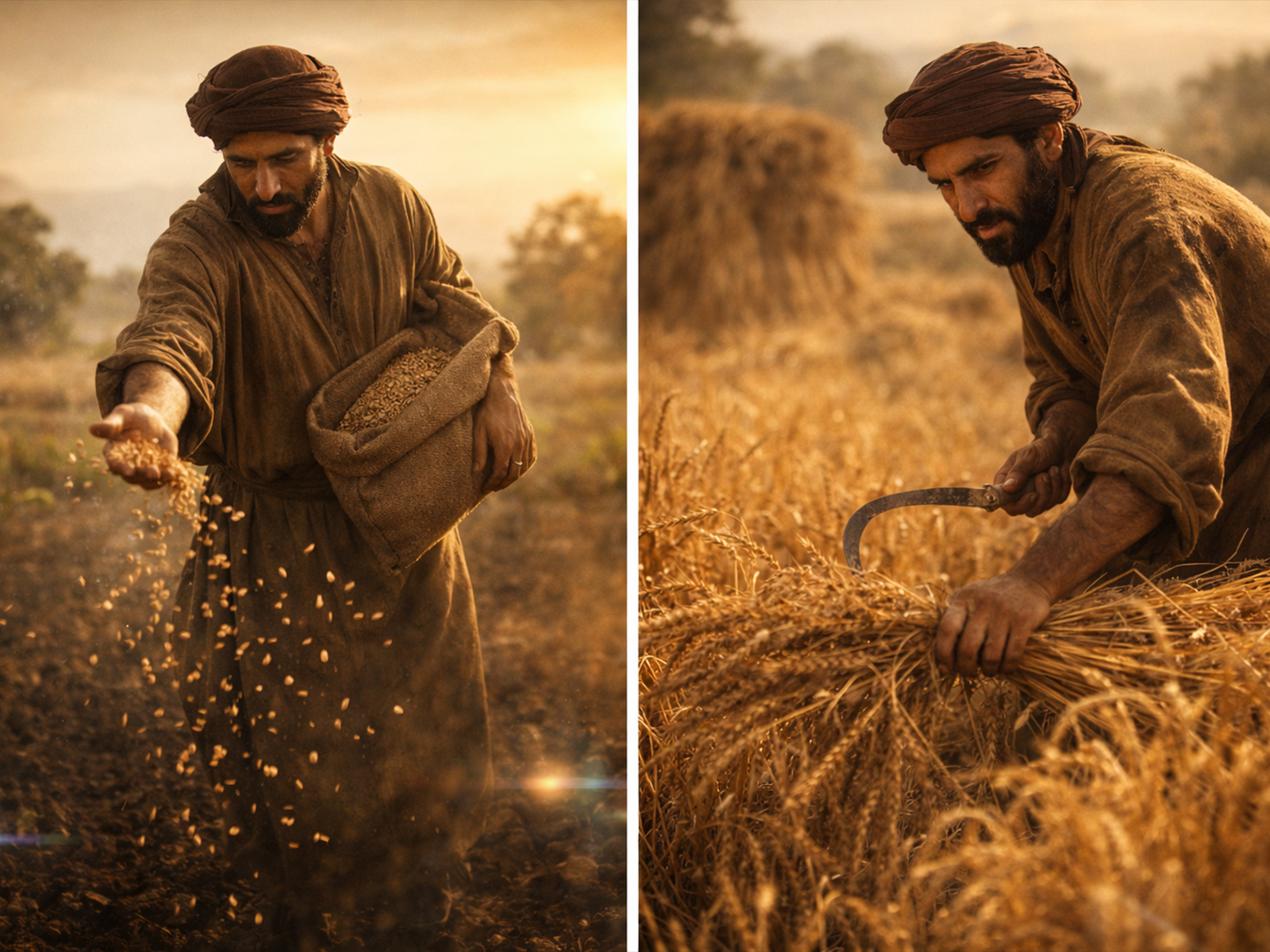
**Life felt like a vast field, its soil open for only a short season. Imam Hadi (PBUH) taught that this world is the test, the planting; the next is the harvest. Some sowed wisely, others wasted time. When the final call came, only those who cultivated their souls reaped eternal reward.**

Every deed’s value is determined by its intention, the essence of the act. Sincere actions for Allah (SWT) are rewarded, while deeds driven by worldly desires bear no value and may harm the soul. True worship requires pure intention, and one should always seek Allah’s guidance to maintain sincerity in all actions.

This story illustrates how Imam Hassan (PBUH) taught the art of respectful, effective criticism. By focusing on correcting the *action*, not the *person*, he preserved the old man’s dignity. This gentle method led to sincere acknowledgment and learning. True moral correction uplifts, never humiliates—making character, not confrontation, the key to change.

Imam Hassan (PBUH) taught that the best life is one shared with others. True value lies not in isolated joy but in generosity and connection—whether through wealth, knowledge, or kindness. He emphasized helping all people, regardless of faith. This noble outlook invites us to reflect: do we live for ourselves, or for others too?