
The Measure of Liberty
The narrator said: “By God, I have never seen a man whose children, family, and companions were killed, and who bore so much pain and suffering, yet still displayed such bravery and valor on the battlefield. To the point that


The narrator said: “By God, I have never seen a man whose children, family, and companions were killed, and who bore so much pain and suffering, yet still displayed such bravery and valor on the battlefield. To the point that
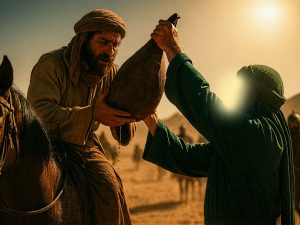
Imam Hussain (PBUH) embodied patience, compassion, and restraint, even amid immense pressure and injustice. He quenched the thirst of enemy soldiers, refused to begin battle despite provocation, and upheld mercy over vengeance. His calm, principled stance in Karbala reflected sincerity, divine devotion, and the highest form of gratitude and dignity.
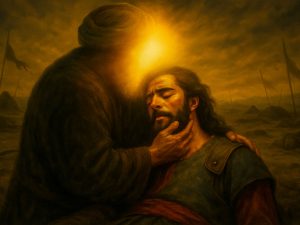
Imam Hussain (PBUH) lived the virtue of appreciation, honoring his companions even in their final moments. Whether family, servant, or repentant enemy, all were embraced with love. His gratitude reflected divine values—defending justice, sacrificing all for God, and upholding human dignity—making Ashura a timeless lesson in devotion and honor.
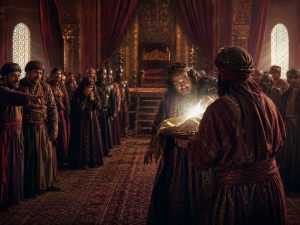
Imam Hussain’s (PBUH) martyrdom exposed the corruption of the Umayyad regime, especially Yazid’s tyranny and religious distortion. His sacrifice reawakened the Muslim world, challenged the false authority of caliphs, and restored Islam’s true path through Ahl al-Bayt (PBUT). His blood ignited revolts and ultimately led to the Umayyad downfall.

Imam Hussain (PBUH), the master of dignity, chose death over humiliation in Karbala. As he lay wounded and alone, he performed a unique prostration—on his face—utterly submitted to Allah. His martyrdom marked the peak of spiritual freedom. His head raised on a spear symbolized eternal defiance against tyranny and injustice.
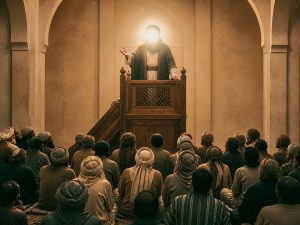
After the Prophet’s (PBUH\&HP) passing, public reference to Quranic verses about Ahl al-Bayt (PBUT) was suppressed. Imam Hussain (PBUH) boldly addressed these truths in a sermon when pressured by Muawiyah’s court. Citing verses and warning against Satan’s path, he affirmed his divine status, leaving opponents silenced and exposed.
A traveler in Medina sought the most generous man and was directed to Imam Hussain (PBUH). After praising him in poetry, the Imam gave him 4,000 dinars wrapped in his own cloak, expressing regret it wasn’t more. Deeply moved, the man wept—not from the gift’s size, but from the Imam’s nobility.
All Shia Imams (PBUT) were martyred, yet the Quran affirms martyrs remain alive. Thus, Imams continue their spiritual presence and blessings. Visiting Imam Hussain (PBUH), especially in Karbala, holds unmatched rewards due to his sacrifice for Islam. Despite oppression, love for him endures in the hearts of believers across generations.
Nafe’ Ibn Arzaq, a Kharijite leader hostile to Imam Hussain (PBUH), questioned him about God. Despite Nafe’s disrespect, the Imam responded with profound wisdom and patience, moving him to tears and admiration. Imam Hussain then affirmed the rightful status of the Prophet’s family as the true inheritors of divine knowledge.