
Imam Hussain (PBUH)

Karbala and a better understanding of Islamic history (1)

Every Ashura, Muslims commemorate Imam Hussain’s (PBUH) sacrifice. Yet the deeper message of Karbala—resistance to tyranny, standing for truth, and reforming the Muslim ummah—is often overlooked. Imam Hussain’s stance against Yazid’s corrupt rule was not political ambition but a moral stand, inspiring unity, justice, and humanity across generations and sects.


Read more..

The Day of Happening

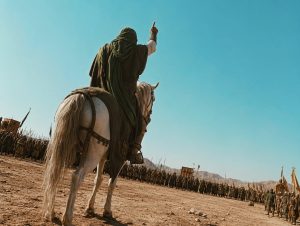
On the morning of Ashura, Imam Hussain (PBUH) arranged his small army and stood with courage and faith against thirty thousand soldiers. Despite being outnumbered, he called for justice, reminded them of his lineage to the Prophet, and rejected submission to tyranny. The battle ended in martyrdom, but truth triumphed eternally.

Read more..

Compensating Kindness

Imam Hussain (PBUH) once prayed for rain for the people of Kufa, and Allah answered his supplication instantly, blessing them with abundant rainfall. Yet years later, those same people denied him and his family even a drop of water in Karbala. Truly, “Is there any reward for good other than good?” (Quran 55:60)

Read more..

The Everlasting Light

Imam Hussain (PBUH) may have lost militarily at Karbala, but his stand for truth and justice triumphed ideologically. His sacrifice revived Islamic values and continues to inspire freedom and resistance against oppression. His message lives on, proving that real victory lies in upholding truth, not worldly power or conquest.

Read more..

The Sun in Blood

Despite immense loss, Imam Hussain (PBUH) heroically fought the massive enemy army, defending his faith and family. Even as he neared martyrdom, he urged his enemies to spare the women. After his death, his family was looted and taken captive. Lady Zainab (PBUH) mourned deeply, crying, “O Muhammad…”

Read more..

I Have a Due Right…

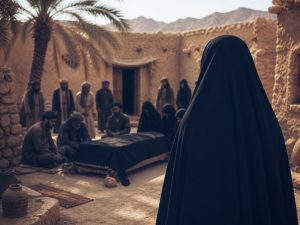
Imam Kadhim (PBUH) emphasized that attending others’ mourning ceremonies is a social and religious duty. Imam Sadiq (PBUH) would even send his respected family members to such events, showing its importance. This tradition encourages us to participate in mourning ceremonies, especially those of Ahl al-Bait (PBUT), to fulfill communal responsibilities.

Read more..

Embraced by Swords

Fifty years after the Prophet’s demise, blind obedience to corrupt rulers like Yazid plagued Muslims. Imam Hussain (PBUH) refused to legitimize Yazid’s un-Islamic rule. His uprising aimed to awaken the Muslim conscience, distinguish true Islam from tyranny, and preserve the Prophet’s path, even at the cost of martyrdom.

Read more..

The Pervasive Rising

Before Yazid’s rule, Imam Hussain (PBUH) warned of corruption and sought reform. Refusing allegiance, he rose to defend true Islam. His movement was rooted in opposing tyranny. Despite immense personal sacrifice, he stood firm for divine justice. His martyrdom became a lasting symbol of resistance and preservation of faith.

Read more..

Ahl al-Bayt (PBUT) and the Month of Muharram

The Ahl al-Bayt (PBUT) emphasized mourning Imam Hussain (PBUH), especially during Muharram. They wept, encouraged others to grieve, and held gatherings to remember his sacrifice. This mourning preserves the message of his uprising and pleases Allah (SWT). His suffering ensured the survival of true Islam and its core values.

Read more..

A Victorious Army

Imam Hussain’s (PBUH) movement had two vital components: sacrifice and message. After the tragedy of Karbala, Imam Sajjad (PBUH) and Lady Zainab (PBUH) revealed the truth, countered Umayyad propaganda, and awakened the people. Their efforts preserved the revolution’s goals, exposing tyranny and ensuring the legacy of justice lived on.

Read more..

The Red Birth

Imam Hussain (PBUH) showed unwavering resolve and divine love in Karbala despite immense loss and injury. His fearless spirit remained steadfast until martyrdom. His sacrifice was not an end, but a red birth that ignited revival. His radiant face and final prayer embodied his devotion, inspiring generations with courage and faith.

Read more..

Movement Aimed at Guidance

Imam Hussain (PBUH), citing Prophet Muhammad (PBUH\&HP), condemned silent compliance with oppression. He reminded the people of their broken promises and declared his uprising aimed at restoring justice, enjoining good, and forbidding evil. His mission was not personal but to reform the Muslim nation and uphold divine truth and guidance.

Read more..

The Victorious Blood

Imam Hussain’s (PBUH) martyrdom exposed the corruption of the Umayyad regime, especially Yazid’s tyranny and religious distortion. His sacrifice reawakened the Muslim world, challenged the false authority of caliphs, and restored Islam’s true path through Ahl al-Bayt (PBUT). His blood ignited revolts and ultimately led to the Umayyad downfall.

Read more..

I Have Put My Hope in You

Imam Hussain (PBUH) exemplified true *Tawakkul*—reliance on Allah (SWT)—throughout his movement, from Medina to Karbala. Despite betrayal, hardship, and martyrdom, he never wavered in trust or sought human aid. His unwavering faith in divine support was the foundation of his mission and the legacy of Ashura’s spiritual resilience.

Read more..

Promptness of Choice

Hurr ibn Yazid, once an enemy of Imam Hussain (PBUH), made a profound decision on the day of Ashura. Choosing Paradise over Hell, he defected from Yazid’s army and joined the Imam. His sincere repentance and bravery earned him the Imam’s satisfaction and eternal honor. A timeless example of free will.

Read more..

The Dignity of Bravery

This reflection honors the unmatched bravery of Imam Hussain (PBUH), Ali Akbar (PBUH), and his companions on the day of Ashura. Their courage was not simply in facing death, but in choosing sacrifice for truth and divine duty. It redefined bravery as steadfast devotion in the face of certain martyrdom.

Read more..

Hussein (PBUH); The Conscious Martyr

This passage explores the unique nature of Imam Hussain’s (PBUH) uprising. Unlike typical political revolts aimed at power, Hussain knowingly walked toward martyrdom, refusing to legitimize Yazid’s corrupt rule. His movement was based solely on obeying Allah (SWT), not worldly gain, and he foresaw the sacrifice yet embraced it with divine purpose.

Read more..

Prayers of the Master of Love

This passage highlights Imam Hussain’s (PBUH) unwavering commitment to truth, compassion, and justice, even on the battlefield of Ashura. Despite facing death, he continued to advise, remind, and plead with his enemies to recognize the truth and avoid eternal loss. His final words embodied deep faith and surrender to Allah (SWT).

Read more..

Submitted to the Beloved

This passage explains that Imam Hussain’s (PBUH) uprising at Karbala was not just a sacrifice for freedom or human rights but a divine mission. Rooted in love for Allah (SWT), his martyrdom aimed to revive God’s remembrance, guide humanity toward spiritual truth, and preserve Islam against tyranny and distortion.

Read more..

Crying, the Depth of Love

This passage emphasizes the spiritual depth and emotional power of mourning for Imam Hussain (PBUH). Rooted in love, insight, and true devotion, such mourning is a divine expression of loyalty. Prophet Muhammad (PBUH\&HP) affirmed its significance, and Imams encouraged believers to cry for Hussain, aligning hearts with divine truth and justice.

Read more..